
A secured loan requires collateral, while an unsecured loan does not. Collateral is property or money you pledge to back a debt, such as a vehicle or savings. If you default on a secured loan, the lender may be able to take that collateral.
With an unsecured loan, you pledge no specific asset. But that does not mean there are no consequences if you cannot repay it. Missed payments may still lead to collections, credit damage, or legal action.

So, when comparing a secured vs. unsecured loan, consider more than the monthly payment. You should also look at the total borrowing cost, qualification requirements, and what you could lose if repayment becomes difficult.
KEY TAKEAWAYS
- Secured loans require collateral; unsecured loans do not.
- Collateral may help with qualification or cost, but it puts an asset at risk.
- Unsecured debt can still lead to collections or legal action if unpaid.
- Compare affordability, total cost, and risk before choosing either option.
Secured vs. Unsecured Loans at a Glance
| Comparison Point | Secured Loans | Unsecured Loans |
| Collateral | Requires a pledged asset or funds | No specific asset is pledged |
| Interest and fees | May cost less when collateral reduces lender risk, but not always | Costs depend on the lender and borrower profile |
| Loan amounts | May allow larger amounts depending on collateral and lender rules | Depends on credit, income, debts, lender policies, and other factors |
| Credit and income requirements | Collateral may support an application, but approval is not guaranteed | Often relies more heavily on credit and financial information |
| Repayment terms | Vary by loan type and lender | Vary by lender and loan agreement |
| Consequences of default | May include collateral loss, credit damage, and collection of any remaining balance | May include credit damage, collections, and lawsuits |
What Is a Secured Loan?
A secured loan is backed by collateral. By accepting the loan, the borrower gives the lender a legal claim against a specific asset if the borrower does not repay the debt under the agreement.
The word “secured” describes how the lender protects its money. It does not mean the loan is safer for the borrower.
For the lender, collateral provides another potential way to recover money after a default. For the borrower, it means something they own may be at stake.
Examples of Secured Loans
A mortgage is one of the most familiar examples. The home serves as collateral for the debt. If the borrower stops making the required payments and the loan goes into default, the lender may eventually be able to foreclose on the property under applicable law.
Mortgage qualification works differently from personal borrowing, especially when someone’s income is less predictable. Self-employed borrowers, for example, may need to provide additional documentation when getting a mortgage.
Auto loans are another common type of secured debt. The vehicle generally secures the loan. If the borrower defaults, the lender may be able to repossess the car.
Losing the vehicle may not wipe out everything the borrower owes. According to the FTC’s guidance on vehicle repossession, a borrower may still owe the difference between the unpaid balance and the amount the lender receives from selling the repossessed vehicle, depending on applicable rules.
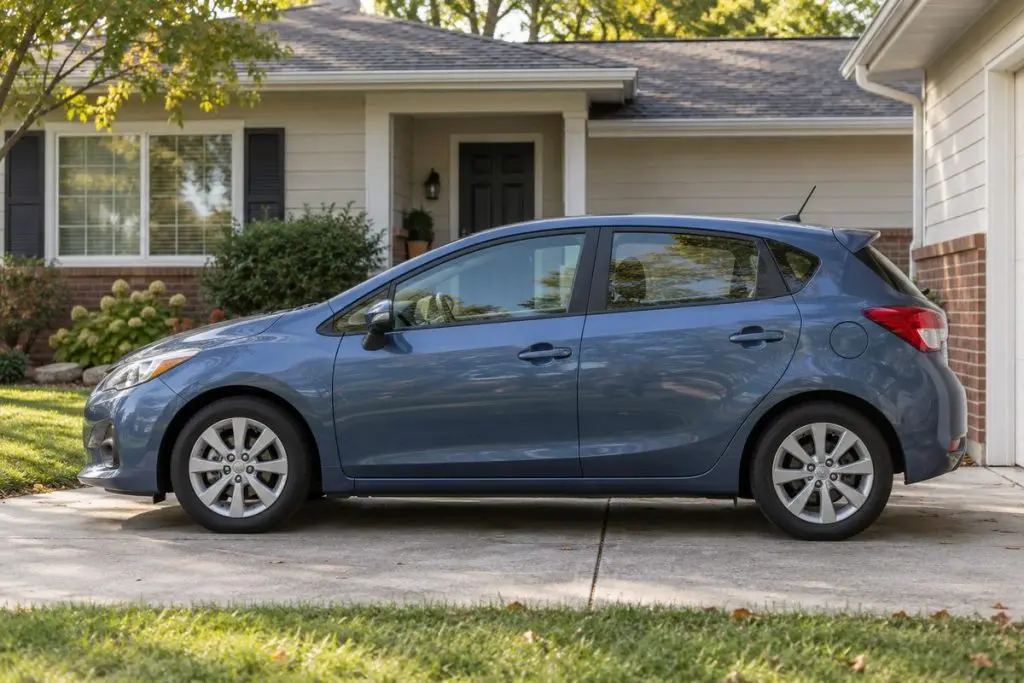
A secured personal loan follows the same basic idea but can use other forms of collateral. Depending on the lender, that might be an existing vehicle, money held in savings, or another eligible asset.
Pros and Cons of Secured Loans
Consider the pros and cons of secured loans before applying.
Pros
- Collateral may help some borrowers qualify when they would not qualify for the same loan without it.
- Some secured loans may have lower borrowing costs because an asset backs the debt.
- Certain secured loans may allow higher borrowing amounts, depending on the asset and lender.
Cons
- You could lose the asset you pledged if you default.
- Losing the collateral does not always eliminate the remaining debt.
- Pledging something you rely on every day, such as your car, can make the consequences of default much more serious.
Secured does not automatically mean affordable. The FTC warns that car title loans can carry extremely high borrowing costs while placing the borrower’s vehicle at risk. Evaluate a loan by its annual percentage rate (APR), fees, repayment requirements, and collateral consequences—not merely whether it is secured.
What Is an Unsecured Loan?
An unsecured loan does not require you to pledge a particular asset as collateral.
Instead, lenders generally evaluate your credit history, income, existing debts, and overall financial profile when deciding whether to approve an application and what terms to offer.
That does not mean unsecured loans are available only to people with excellent credit. Requirements vary between lenders. The key difference is that the loan is not directly backed by a specific asset pledged under the agreement.
Examples of Unsecured Loans
An unsecured personal loan is a common example. A personal installment loan usually provides money as a lump sum, which the borrower then repays through scheduled installments over an agreed period.
However, a “personal loan” and “unsecured loan” do not mean the same thing. Personal loans can be either secured or unsecured. So if you are comparing personal loans, check the actual terms to determine whether you are being asked to provide collateral.
Credit cards are another familiar example of unsecured debt, although not every credit card falls into that category. Secured credit cards also exist and generally require a cash deposit.
Unlike an installment loan, a credit card generally lets you borrow as needed up to a credit limit rather than receiving one lump sum with a set repayment schedule.
Pros and Cons of Unsecured Loans
Weigh the pros and cons if you’re considering an unsecured loan.
Pros
- You don’t have to pledge a specific asset to get the loan.
- The process may involve fewer collateral-related steps, such as asset valuation.
Cons
- Rates and fees may be higher than on a comparable secured option, depending on the borrower and lender.
- Qualification may depend more heavily on credit, income, and existing debts.
- Not providing collateral does not remove the consequences of failing to repay the loan.
Unpaid unsecured debt may lead to collections or a lawsuit. A creditor or collector that obtains the required court order may be able to collect from wages or money in a bank account, subject to legal protections.
How to Choose Between Secured and Unsecured Personal Loans
Say your car needs a $2,000 repair. You cannot put the repair off for long because you use the car to go to work. You are considering two ways to finance the same $2,000 expense: a secured personal loan and an unsecured personal loan.

Which one makes more sense? Approval is only one part of the answer. You also need to ask what each option will cost, whether the payments fit your budget, and what you are putting at risk.
Compare the Full Cost for the Same Borrowing Need
Start by comparing roughly the same amount and, where possible, similar repayment periods. Otherwise, you may be comparing two very different deals. Look at the APR, fees, monthly payment, repayment period, and total amount you will repay.
Also check how much money you will receive after any fees are deducted. For that $2,000 repair, a loan labeled $2,000 may leave you short if the lender takes a fee out before sending the money.
The interest rate represents the cost of borrowing the principal. Annual percentage rate, or APR, goes further because it accounts for certain charges associated with borrowing.
Understanding how interest rates work can also make it easier to spot the difference between an attractive monthly payment and an attractive overall cost. But here’s where people can get caught out. A smaller monthly payment does not necessarily mean the loan costs less. A longer repayment period can bring down the monthly bill while keeping you in debt longer and potentially increasing the total amount paid.
For that $2,000 repair, look at what it costs you from start to finish under each offer, not just what is due next month.
Consider Your Credit, Income, and Existing Debts
Having something valuable to pledge doesn’t guarantee you will qualify for a secured loan. And imperfect credit does not automatically mean secured borrowing is the right answer.
Lenders may consider your income, credit history, current obligations, and other financial information. Requirements also vary, so check the actual eligibility criteria rather than assuming collateral solves every qualification problem.
Then run the numbers from your side. Add the new payment to your housing costs, utilities, groceries, transportation, insurance, and current debt payments. Does enough money remain for normal expenses and the unexpected? Being approved for a loan and being able to repay it comfortably are two different things.
Decide Whether the Collateral Risk Is Worth It
Now come back to that $2,000 car repair. Suppose the secured option costs less overall, but you have to pledge the same car you rely on to get to work. Would the potential savings justify putting the vehicle at risk if your income suddenly dropped and you could no longer make the payments? For one borrower, the answer might be yes. For another, it might be an easy no.
What matters is recognizing that collateral has real value in your everyday life. Don’t treat it like another box to check on an application.
Before signing, find out exactly what property secures the loan, what counts as default, what could happen to the asset, and whether you might still owe money if the collateral is taken and sold. Understanding how collateral loans work beforehand can make that tradeoff much clearer.
Check Whether Either Loan Fits Your Budget
A third option is not borrowing. If neither payment fits after your essential expenses and existing debts, taking on either loan could make your finances harder to manage.
For a discretionary purchase, postponing the expense may be the better option. For a bill or urgent repair, ask whether the company offers a payment arrangement, and check any fees and due dates before agreeing.
Ultimately, choosing between secured and unsecured borrowing comes down to affordability, total cost, and risk. A secured loan may have advantages in some situations, but you can lose the collateral you pledge. An unsecured loan avoids tying a specific asset to the debt, but you still must repay it.
BuddyLoans allows consumers to submit a request for a short-term personal loan of up to $5,000 and may connect them with a third party. BuddyLoans is not a lender, does not make credit decisions, and cannot guarantee a connection, approval, loan structure, rate, amount, or funding. If connected, review the third party’s terms to determine whether collateral is required.
Frequently Asked Questions
Do Unsecured Loans Hurt Your Credit?
They can affect your credit in different ways. A hard credit inquiry when you apply for credit can affect your score, while a soft inquiry does not. Once a loan is open, payment history may also affect your credit when the account is reported.
Missing payments can have consequences too, so it helps to understand what happens if you miss a loan payment before taking on new debt.
Can You Change a Secured Loan to an Unsecured Loan?
You generally cannot simply decide to remove the collateral requirement from an existing loan. You may be able to refinance the debt with a new unsecured loan or ask your lender whether another arrangement is available. Approval requirements, fees, and new loan terms may apply.
Before assuming your asset is no longer tied to the debt, make sure the original lien or collateral obligation has actually been released. The reverse decision also deserves caution. Using a secured loan to repay unsecured debt introduces collateral risk that the original debt did not carry. Compare the complete cost and confirm what property the new agreement pledges before proceeding.
Is a Secured or Unsecured Loan Safer for the Borrower?
Neither structure is automatically safer in every situation. An unsecured loan avoids pledging a specific asset, but an unaffordable payment can still lead to collections, legal action, and credit problems. A secured loan may have more favorable terms in some cases, but default can put the pledged asset at risk.
The better choice depends on what you can afford, the loan’s overall cost, and how much risk you are comfortable taking.
What Happens to Secured and Unsecured Debt in Bankruptcy?
Bankruptcy may discharge personal liability for certain debts, but the outcome depends on the debt, the type of bankruptcy, and the borrower’s circumstances. Some debts are not dischargeable.
A valid lien—the lender’s legal claim against collateral—may survive bankruptcy unless it is made unenforceable as part of the case. As the U.S. Courts explain in its bankruptcy guidance, eliminating personal liability does not necessarily eliminate a secured creditor’s claim against the collateral.
Because bankruptcy outcomes depend heavily on individual circumstances, borrowers should speak with a bankruptcy attorney about a particular debt or property.