
Seeing a 520 credit score can feel discouraging.
Maybe you checked your score after being turned down for credit. Maybe you expected it to be higher. Or maybe you already knew it had dropped and wanted to see where you stand today.
A 520 credit score is usually considered poor. It can point to past credit problems, such as missed payments, high card balances, collection accounts, or other negative items on your credit report.
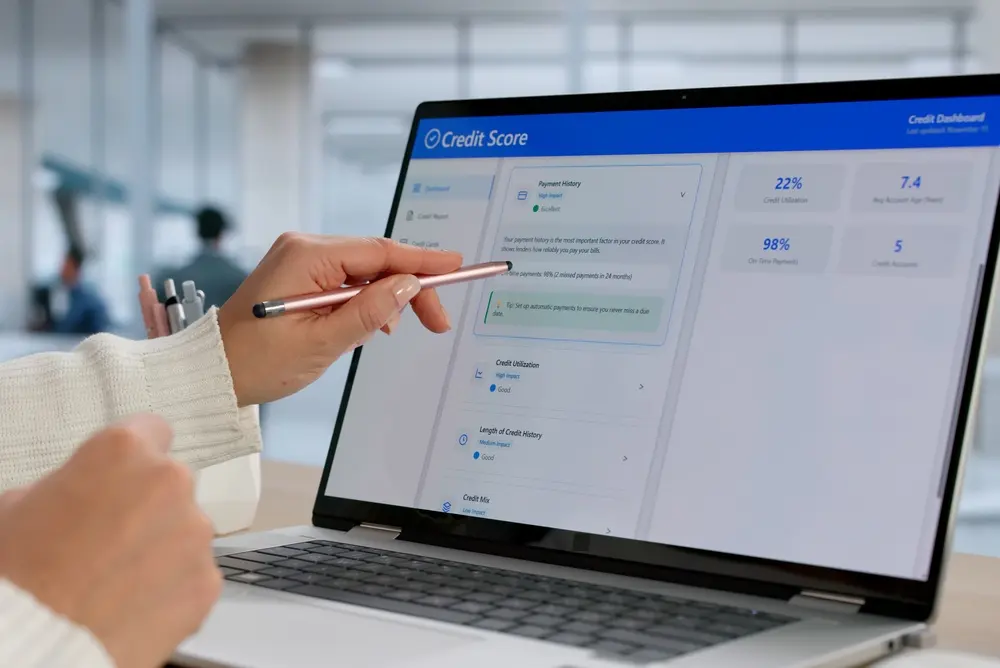
But here’s the part worth remembering: your score can change. It is updated as new information is added to your credit file. Paying bills on time, lowering balances, and building better credit can all help your score move in a better direction.
Let’s go over what a 520 score means, common reasons people have this score, and practical steps that may help improve it over time.
KEY TAKEAWAYS
- A 520 credit score is considered poor. It often points to past credit issues, such as missed payments, high credit card balances, collection accounts, or other negative items on your report.
- This score can make borrowing harder right now, but it is not permanent. Credit scores can improve as your credit habits change and new information is reported.
- Start with the basics. Review your credit reports, dispute any errors, pay bills on time, lower your credit card balances, and check your progress each month. Steady habits usually do more for your score than quick fixes.
Where a 520 Credit Score Falls on the Credit Scale
Most lenders use credit scores as one way to evaluate financial risk. Although different scoring models exist, they often follow similar score ranges.
| Credit Score Range | Rating |
| 300-579 | poor |
| 580-669 | fair |
| 670-739 | good |
| 740-799 | very good |
| 800-850 | exceptional |
So, is a 520 a good credit score? Well, the short answer is no, as it sits well below the national average credit score in the US.
Is 520 a bad credit score? Lenders and credit scoring companies would classify it as a low score.
That does not mean your financial situation is hopeless. People tend to rebuild their credit after financial setbacks such as medical bills, job loss, divorce, unexpected emergencies, or periods of high debt.
What a 520 Credit Score Can Indicate
The credit score doesn’t tell the full story of a person’s finances. Someone with a 520 score may have a stable income, for example, and be actively paying down debt.
A score in this range often points to one or more of the following:
- Late or missed payments
- High credit card balances
- Collection accounts
- Charge-offs
- Accounts sent to collections
- Bankruptcy history
- Multiple recent hard inquiries
- Limited positive credit history
Common Reasons for a 520 Credit Score
People with a 520 credit score often share similar credit challenges.
Missed or Late Payments
Payment history is one of the largest factors in credit scoring models.
A payment that is 30 days late can damage a score. Multiple late payments can have an even larger effect.
The later the payment becomes, the greater the potential impact.
High Credit Card Utilization
Credit utilization measures how much of your available credit you’re using.
For example:
- Credit limit: $5,000
- Current balance: $4,500
- Utilization rate: 90%
High utilization can signal financial stress and may lower a score.
Collection Accounts
Unpaid debts may eventually be transferred to collection agencies.
Collection accounts can remain on a credit report for up to seven years and may affect credit scores during that time.
Charge-Offs and Defaults
A charge-off occurs when a lender considers a debt unlikely to be repaid.
These negative marks can significantly reduce a credit score and remain visible on credit reports for several years.
Too Many Recent Credit Applications
Each hard inquiry can cause a small temporary decrease in a score.
Applying for multiple credit products within a short period can create additional pressure on an already low score.
Limited Credit History
A lower score is not always caused by financial mistakes.
Some people simply have limited credit history. With fewer accounts reporting positive payment activity, scoring models have less information available.
How to Start Rebuilding Your Credit
Improving a 520 score usually comes down to consistency.
There is rarely a single action that creates a dramatic increase your credit score overnight. It’s the small improvements repeated month after month that tend to produce better long-term results.
Check Your Credit Reports for Errors
First, start by reviewing your credit reports from the three major credit bureaus: Equifax, Experian, and TransUnion. You can check your credit report for free once a week through the official site authorized by federal law.
Look for:
- Incorrect balances
- Accounts that do not belong to you
- Duplicate entries
- Incorrect late payments
- Fraudulent accounts
The Federal Trade Commission recommends disputing any inaccurate information you find.
Make Every Payment on Time
Payment history carries significant weight in all credit scoring models.
One of the most effective habits is making every payment by its due date. It will gradually strengthen your credit profile.
To never forget a payment date, you can:
- Set calendar reminders
- Use autopay
- Schedule payments immediately after payday
- Create monthly payment checklists
Pay Down Credit Card Balances
Reducing your balances can help improve utilization rates.
Financial experts recommend keeping utilization below 30%. If you can get it lower, even better.
For example:
| Credit Limit | Balance | Utilization |
| $2,000 | $1,800 | 90% |
| $2,000 | $600 | 30% |
| $2,000 | $200 | 10% |
As balances decrease, you may see your credit score responding positively.
Focus on One Debt at a Time
Large debt balances can feel overwhelming. There are two strategies to tackle them.
You can use the snowball method:
- Pay minimums on all debts
- Put extra money toward the smallest balance
- Move to the next debt after the first is paid off
Or, you can use the debt avalanche method:
- Focus extra payments on the highest interest rate
- Continue until the debt is eliminated
- Move to the next highest rate
Decide which one you can stick with consistently to pay off your debt.
Avoid New Credit Applications Unless Necessary
Each hard inquiry may slightly reduce your score.
If your primary goal is rebuilding credit, it may help to avoid applying for multiple credit products in a short period. Give your existing accounts time to recover rather than opening new ones.
Monitor Your Credit Regularly
Tracking your credit can help you spot problems early. Your bank or credit card issuer may provide free access to credit scores and account alerts.
These resources can help you:
- Watch for score changes
- Detect suspicious activity
- Track debt reduction progress
- Review new account activity
Should You Consider Debt Consolidation?
People with a 520 credit score often look into debt consolidation because they want fewer payments to manage, and with debt consolidation, they can combine multiple debts into one payment.
For the right borrower, this can make repayment easier to track. However, it does not erase debt, and the outcome depends on the loan terms, fees, interest rate, and your ability to keep up with the new payment.
Before you choose this option, compare the interest rate, fees, monthly payment, and repayment term. A lower monthly payment may look helpful, but it could cost more over time if the term is longer.
How Long Does It Take to Improve a 520 Credit Score?
It all depends on what caused the score to drop.
For some people, a few months of positive payment history may create a noticeable improvement.
For others dealing with collections, charge-offs, or major delinquencies, rebuilding can take longer.
Credit improvement often follows a pattern like this:
| Time Frame | Possible Progress |
| 1-3 months | Correct errors, establish payment consistency |
| 3-6 months | Lower utilization and reduce balances |
| 6-12 months | Build stronger payment history |
| 12+ months | Continued improvement through responsible credit use |
Mistakes That Can Slow Down Credit Recovery
People working to improve their 520 credit score often encounter setbacks.
Avoid these common mistakes to help preserve the progress you’ve already made:
- Missing a payment after making progress
- Closing old accounts without understanding the impact
- Maxing out credit cards again
- Ignoring collection notices
- Applying for multiple credit products at once
- Failing to review credit reports for errors