
Can you pay your security deposit a little at a time? In some cases, yes. Your landlord might be willing to split the amount into a few payments, and depending on where you live, the law may even require them to allow it. Another possibility is using a payment service accepted by the property or taking out a personal loan, which doesn’t require the property’s participation. Watch out for nonrefundable fees, since you won’t get that money back when you move out.
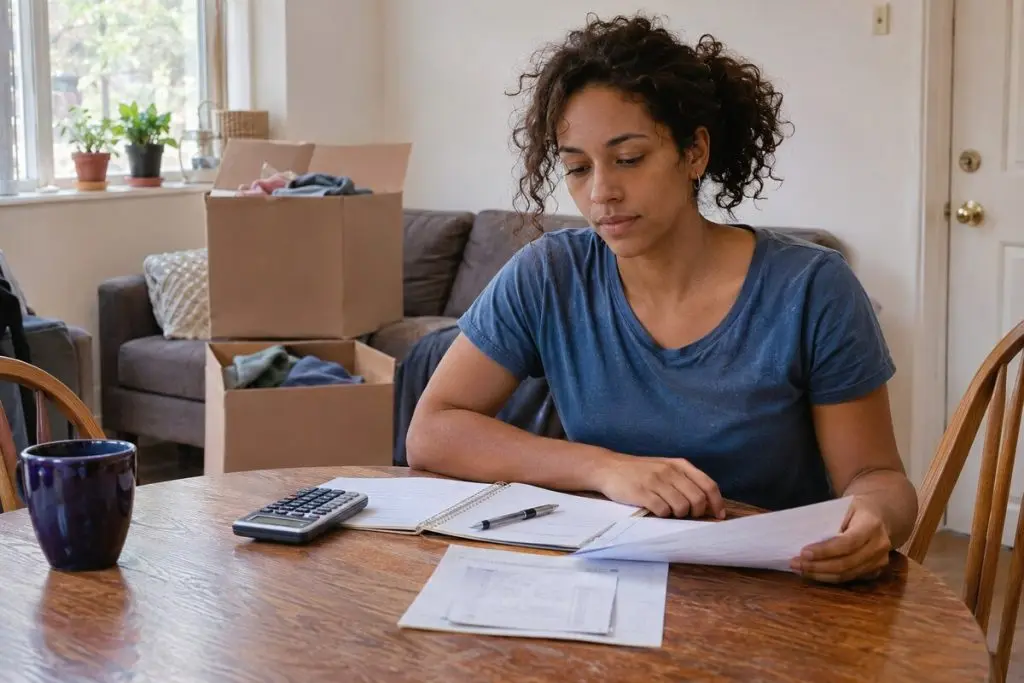
Maybe you’ve found an apartment you can afford, but the deposit is due before your old landlord returns your money. How can you cover it without struggling to pay next month’s bills?
KEY TAKEAWAYS
- Ask your landlord if you can split the deposit into smaller payments before considering other options.
- Find out what must be paid before you’ll get the keys, and on what date.
- Treat your old deposit as money you might receive later, not money available today.
- Check the total cost and future payments, not just the amount due at move-in.
First, Confirm What Is Due Before You Get the Keys
The security deposit isn’t the only thing you’ll need to pay before moving in. Ask your landlord for a list of charges, when they’re due, and whether you’ll pay any extra fees.
First and last months’ rent cover your rent payments, and application fees usually pay for background and credit checks. The security deposit is different because you could get it back when you leave, depending on any deductions your landlord can legally make. If you’ve paid a holding deposit, ask whether it will be taken off your rent or security deposit.
Moving costs and everyday bills also affect how much money you need to move out. Let’s say your new apartment requires a $1,500 deposit by November 1. Here’s what your budget might look like:
| Expense | Total Cost | Paid or Set Aside | Still Needed |
| First month’s rent | $1,500 | $1,500 | $0 |
| Security deposit | $1,500 | $600 | $900 |
| Application fee | $50 | $50 | $0 |
| Moving truck | $180 | $180 | $0 |
| Utility setup | $120 | $120 | $0 |
| Total | $3,350 | $2,450 | $900 |
Ask About a Security Deposit Payment Plan
You can start by asking your landlord a simple question: Can I pay some of the deposit now and the rest over the next few months? Depending on where you live, the law might already allow you to do this. Otherwise, it’s up to your landlord.
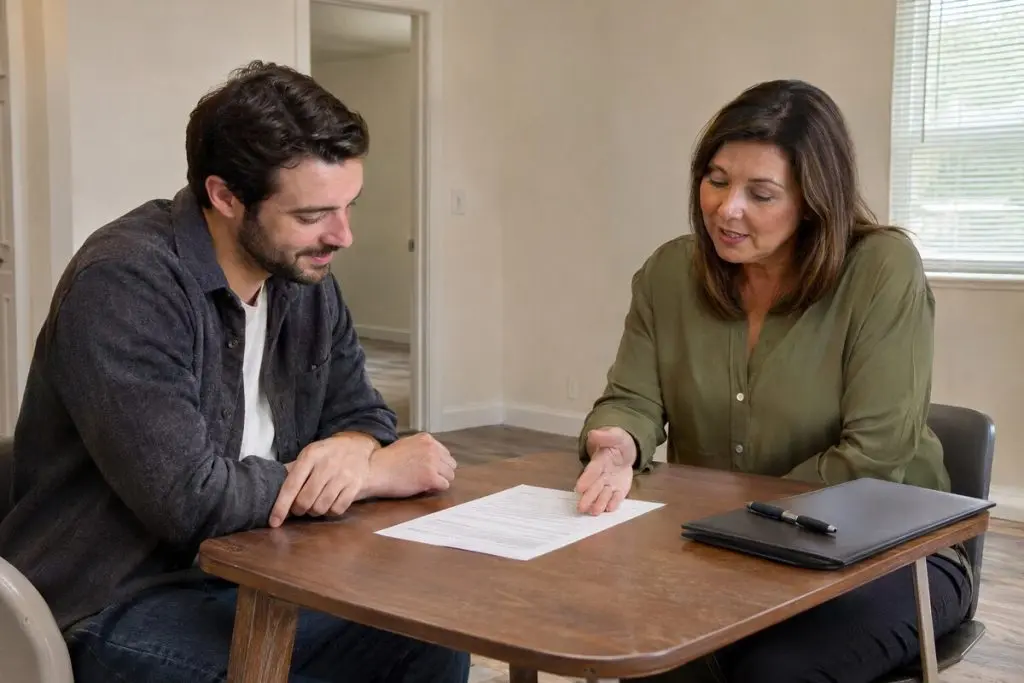
Before you ask, figure out how much you can spare each month after paying your bills. Then suggest a schedule you know you can stick to. You don’t need a formal letter, either. A short message like this should do:
Hi [name], would you be open to splitting my $[total] security deposit into a few payments? I can pay $[amount] on [date] and the rest on [dates]. Please let me know if that works for you and if there are any fees. Could you also confirm the payment schedule and refund terms in writing? Thanks!
Before agreeing to the plan, ask what happens if you miss a payment. Depending on your agreement and local laws, you could face late fees or collection action. In some places, a missed deposit installment can be treated like unpaid rent. Get the terms in writing and keep your payment receipts.
In Washington, for example, state law allows many renters to split their deposits into two or three monthly payments if they ask in writing. The number of payments depends on the rental term.
There are exceptions, including when deposits and nonrefundable fees total no more than 25% of the first full month’s rent and last month’s rent isn’t required upfront. The law also prohibits extra charges for installment payments when the right applies. Other states have different rules, so check what applies where you live.
What If Your Old Deposit Hasn’t Been Returned Yet?
If your old deposit hasn’t been returned, you’ll still need to find a way to pay the new one on time. You can ask your former landlord when to expect your money, but it may not arrive before your move.
You might not get the full amount back, either. In a 2023 Fannie Mae survey, renters who had moved out reported receiving an average of 53% of their security deposits. Of course, how much you get back depends on your situation.
Let’s say your new $1,500 deposit is due November 1, but you only have $600 saved. Your old landlord is still holding your $1,200 deposit, and you won’t move out until November 4. That leaves you $900 short until you find another way to cover it.
Now, suppose your new landlord agrees to let you pay $600 on November 1, $450 on December 1, and $450 on January 1. This is just an example of a payment arrangement, not a plan every landlord offers.
But what if you only have $300 left after paying your bills in December? You’d still be $150 short. That’s why it’s worth choosing a payment schedule you can afford without relying on your old deposit.
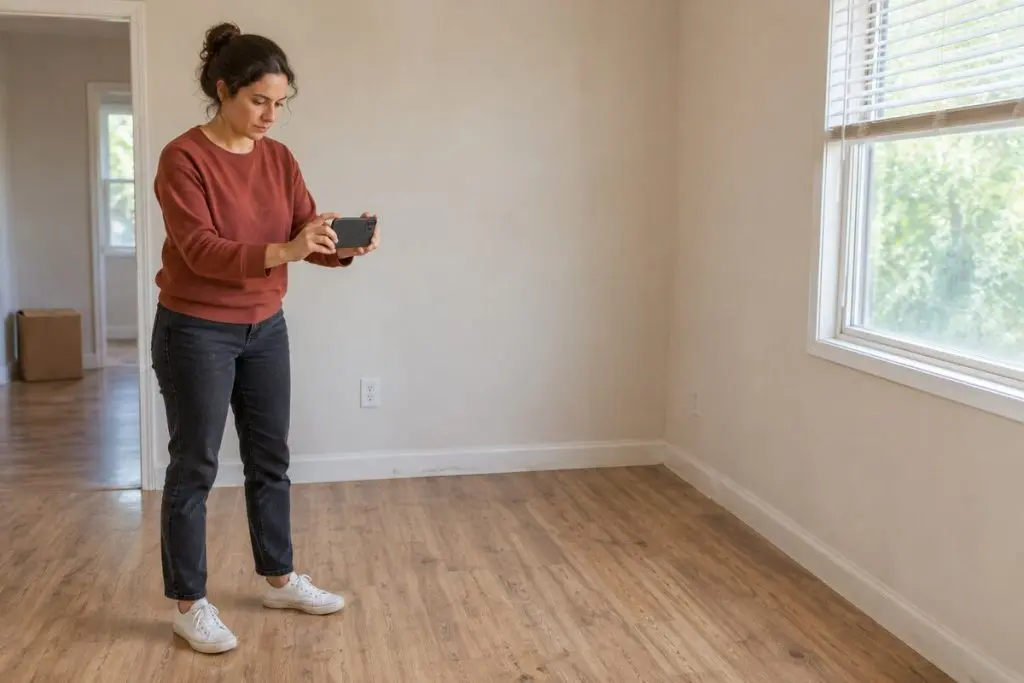
Before moving out, check your local deposit refund rules, give your old landlord your new address, and take photos of the apartment. You can also ask when to expect your refund and whether any money will be deducted.
Compare Installments, Deposit Alternatives, and Borrowing
If the landlord can’t split the deposit, compare what other arrangements actually provide. Some build refundable deposits; others charge nonrefundable fees that continue during your lease.
| Option | Cash Needed Upfront | Nonrefundable Costs | What May Be Returned at Move-Out | Main Conditions |
| Direct installment agreement with landlord | Agreed first installment | Any fee permitted by local law and the agreement | Deposit paid, minus lawful deductions | Tenant rights or landlord agreement; written schedule |
| Third-party deposit payment or financing plan | Your required down payment or first installment, plus any upfront fees | Possible service or financing charges | Funded deposit, if refundable under the agreement | Participating property, eligibility, and provider terms |
| Nonrefundable deposit alternative, surety, or insurance | Fee or initial premium instead of a full deposit | Enrollment and/or recurring fees | Usually none of those fees | Property acceptance, policy terms, and possible liability for damage or unpaid rent |
| Personal loan for an ordinary deposit | Any shortfall after net loan proceeds | Interest and possible loan fees | Ordinary deposit, minus lawful deductions | Approval, allowed loan purpose, funding date, and repayments |
Landlord installments: Instead of paying the whole deposit upfront, you pay it in smaller amounts over time. It’s still a refundable deposit, so you may get the money back when you move out, minus any deductions your landlord is legally allowed to make.
Third-party deposit plans: Some companies pay the deposit for you, and you repay them in installments, sometimes with extra fees. Before signing up, find out if your landlord accepts the service, who holds the deposit, and what happens to the money when you move out.
Deposit alternatives: Some properties let you pay a nonrefundable fee instead of a regular deposit. For example, a $25 monthly fee would cost $300 over a year. You won’t usually get that money back, and you may still have to pay for damage or unpaid rent. The National Consumer Law Center explains why these arrangements can end up costing renters more.
Personal loans: You could borrow the money to cover your deposit, as long as the lender allows it. Your landlord doesn’t need to sign up for anything, since you’re paying the deposit yourself. However, you’ll have to repay the loan even if you haven’t received your deposit back. If you’re looking into moving loans, check the fees and monthly payments before applying.
Before deciding, look at the total cost of each option and whether you’ll get any of the money back when you move out.
Before Borrowing, Check the Remaining Gap and Your Budget
What if your landlord won’t accept installments? In that case, you’d still need to find the missing $900 before November 1. Before applying for a loan, consider asking a family member for help. If you’re moving for work, your employer might also help with relocation costs. Just be clear about when you’ll repay anyone who lends you money.
You can also call 211 to ask about local housing assistance, as USAGov recommends. Find out if any programs cover security deposits and whether they can pay before your move-in date. Until you know for sure, plan as though you’ll need to cover the $900 yourself.
If borrowing seems like your best option, check how much money you’ll actually receive. Say you borrow $900, but the lender actually deducts a $45 fee upfront. You’ll receive $855, but you’ll still owe the full $900 plus interest. That also means you’re $45 short on the deposit. The Consumer Financial Protection Bureau explains other fees you might come across.
Before accepting a loan, compare the APR, monthly payments, and total amount you’ll repay. You’ll also want to check how long loan funding takes, since the money needs to arrive before your deposit is due. Make sure you can afford the payments even if your old deposit comes back late. If you’re already struggling with monthly rent, rent assistance options may be more helpful than taking on more debt.
FAQs
Does My Landlord Have to Accept Security Deposit Installments?
Not necessarily. In some states and cities, landlords must allow eligible renters to pay in installments. Elsewhere, it’s up to the landlord. Your rental type may also affect the rules, so check what’s allowed in your area and get any agreement in writing.
Can I Use My Old Security Deposit for My New Apartment?
Yes, but you’ll need to wait until your old landlord returns the money. Your new deposit could be due before then, and you might not get the full amount back. It’s safer to plan around the money you already have.
Will I Get My Deposit Back If I Pay It in Installments?
Paying your security deposit in installments doesn’t mean you lose the right to a refund. You may get it back when you move out, although your landlord can make deductions for unpaid rent or damage as allowed by law. Hold on to your receipts and check that each payment counts toward your refundable deposit, not extra fees.
Is a Security Deposit Payment Plan the Same as a Loan?
Not necessarily. With a landlord payment plan, you pay your deposit in smaller amounts over time. A loan gives you money to cover the deposit, which you then repay to the lender. Some third-party plans work like loans, so check their fees and terms.